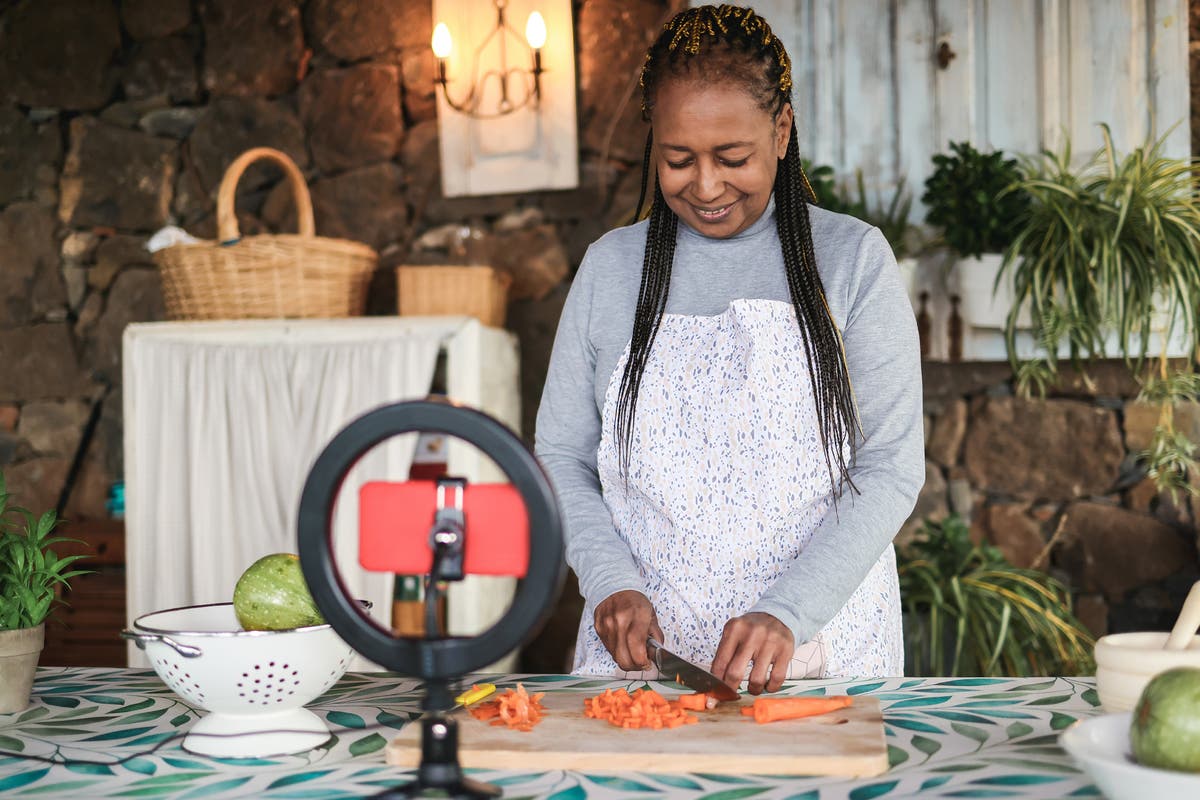

Instagram has changed the way people show their creative skills. A few years ago, a creator could simply post pictures and short videos for fun. Today, those same posts can become proof of writing ability, video editing skills, photography, storytelling, marketing knowledge, and even business sense. This is why a strong Instagram portfolio is becoming useful for creators who want to work with brands, businesses, agencies, or other creators.
A portfolio does not have to look like a formal office resume. On Instagram, the work itself can become the portfolio. A creator who consistently produces useful, entertaining, or visually strong content is already building a public record of what they can do.
What Makes an Instagram Portfolio Different?
A traditional portfolio usually contains selected examples of previous work. An Instagram portfolio can be much more active.
It can show:
- Reels and short videos
- Photography
- Captions and storytelling
- Product demonstrations
- Educational posts
- Before and after content
- User-generated content
- Brand collaborations
- Editing skills
- Community engagement
- Creative campaign ideas
The important thing is not to upload everything without thinking. A portfolio should make it easy for someone to understand what the creator is good at.
For example, imagine a food creator who posts restaurant reviews, recipe videos, food photography, and short voice-over videos. A restaurant looking at that profile can quickly understand the creator’s style.
That is much more useful than simply seeing a large follower number.
Start With a Clear Content Category
The first practical step is deciding what kind of work the portfolio should communicate.
A creator can work around:
- Fitness
- Beauty
- Fashion
- Travel
- Food
- Technology
- Education
- Gaming
- Personal finance
- Lifestyle
- Local businesses
This does not mean every post needs to be identical. It simply gives the portfolio a recognizable direction.
A beauty creator, for example, might create makeup tutorials, product comparisons, skincare routines, and short educational posts. The formats can change, but the overall subject remains connected.
Treat Your Best Posts Like Portfolio Samples
Not every Instagram post deserves to be treated as a portfolio piece.
Creators should periodically review their content and identify posts that demonstrate a useful skill.
Ask:
- Does this post show good visual quality?
- Does it explain something clearly?
- Does the video have a strong opening?
- Is the editing clean?
- Does the caption add useful information?
- Did people save or share it?
- Does it show a skill a potential client might need?
A post with fewer likes can still be an excellent portfolio example if it demonstrates strong production or storytelling.
Create Different Samples for Different Skills
One common mistake is showing the same type of content repeatedly.
Suppose a creator wants to work with fashion brands. Posting twenty similar outfit photographs may prove consistency, but it does not show the full range of their abilities.
A stronger portfolio might include:
- A product-focused Reel
- A talking-head video
- A lifestyle photograph
- A product styling post
- A voice-over Reel
- A carousel explaining a product
- A short promotional concept
This gives brands a better idea of what the creator can actually produce.
Use Instagram Highlights as a Mini Portfolio
Instagram Highlights can act like small sections of a portfolio.
A creator could organize them as:
Work: Best content examples
Brands: Previous collaborations
UGC: Content created for businesses
Reviews: Feedback or client responses
About: Short introduction
Results: Selected campaign performance
This saves visitors from scrolling through hundreds of posts just to understand what the creator does.
Keep the Bio Clear
The profile bio should answer a simple question:
What does this creator actually do?
Instead of a vague line such as “Creating memories and chasing dreams,” a creator who wants professional opportunities can make the description more specific.
For example:
“Beauty content creator sharing tutorials, product reviews, and UGC.”
That immediately communicates the creator’s role.
Show the Process, Not Just the Finished Product
A strong portfolio becomes more interesting when it shows how content is made.
A creator can occasionally post:
- Behind-the-scenes clips
- Lighting setups
- Editing screens
- Script preparation
- Product shooting
- Location preparation
- Before and after edits
This demonstrates that content creation is a real skill rather than simply taking a phone and pressing record.
For example, a travel creator might show the final cinematic Reel alongside a short behind-the-scenes clip showing how the shots were captured.
That creates a better understanding of the work involved.
Add Results When Available
If a creator has worked with brands, numbers can make the portfolio more useful.
Relevant information might include:
- Reach
- Views
- Saves
- Shares
- Comments
- Profile visits
- Clicks
- Sales generated, when available
The numbers should be presented honestly.
There is no need to pretend that every post went viral. A campaign that produced strong saves or meaningful website visits can still demonstrate useful performance.
A Real Example
Consider a small fitness creator with 8,000 followers.
Instead of presenting the profile as “8K followers,” the creator could show:
- Five workout Reels with strong retention
- Three nutrition education carousels
- Two fitness product demonstrations
- One UGC-style product video
- A Highlight containing previous collaborations
- Screenshots of campaign results
- A short introduction explaining their audience
Now the profile communicates several professional skills.
The creator is no longer simply showing an audience. They are showing what they can produce.
Do Not Make the Portfolio Too Perfect
Another practical lesson is that portfolios should feel real.
A creator who only displays heavily edited professional-looking content may make the page feel disconnected from their normal work.
Showing different content styles can actually make the portfolio stronger because brands can see how the creator communicates naturally.
Authenticity is especially important when a brand wants content that feels like a normal recommendation rather than a traditional advertisement.
Review the Portfolio Every Month
Instagram content changes quickly. A post that looked impressive six months ago may no longer represent the creator’s current skill level.
Once a month, review the profile.
Remove or archive weak examples if appropriate. Pin important posts. Update Highlights. Add new successful projects.
A simple monthly checklist can include:
- Select three strongest recent posts
- Update collaboration examples
- Check profile bio
- Refresh Highlights
- Review performance data
- Add new skills
- Remove repetitive samples
The Bigger Idea
An Instagram portfolio is not about proving that someone has thousands of followers.
It is about proving that the creator knows how to create content.
A small account with excellent videos, clear storytelling, strong editing, and useful campaign examples can communicate more professional ability than a much larger account filled with random posts.
The smartest approach is to treat every useful piece of content as a potential work sample. Over time, those samples form a public portfolio that can open conversations with brands, agencies, businesses, and other creators.
The practical goal is simple: when someone visits the profile, they should not have to guess what the creator can do. The content should answer that question for them.