Being an Instagram content creator sounds simple from the outside. Someone takes a picture, records a Reel, writes a caption, posts it, and waits for people to react. In reality, the job can involve much more than pressing the publish button. A serious content creator often becomes a writer, photographer, video editor, researcher, community manager, analyst, marketer, and sometimes even a small business owner.
That is why understanding the different roles behind content creation matters. Even when someone is researching growth services such as buy instagram profile visits, profile traffic is only one piece of the bigger picture. Getting people to a profile does not automatically create a successful account. The content needs to give visitors a reason to stay, explore, interact, and eventually follow.
The Creator Is Also a Content Planner
One of the first jobs of a creator happens before the camera is turned on.
Good content usually starts with an idea.
A creator needs to decide:
- What should I post?
- Who is this content for?
- What problem does it solve?
- Is the topic useful right now?
- Should it be a Reel, carousel, Story, or image?
- What should people do after seeing it?
For example, imagine a fitness creator who notices that followers repeatedly ask about exercising at home.
Instead of randomly posting another workout video, the creator could build a small content series:
- Beginner home workout
- Common beginner mistakes
- Five minute routine
- Exercises without equipment
- Recovery tips
Now the account has direction.
This is the difference between simply posting and actually planning content.
The Creator Often Becomes a Researcher
A creator cannot know everything.
If the account talks about technology, fitness, food, travel, finance, beauty, education, or another specialized subject, research becomes part of the job.
Research might involve:
- Reading industry reports
- Checking current trends
- Looking at audience questions
- Studying competitors
- Checking search behavior
- Reviewing comments
- Comparing different opinions
- Verifying important facts
The goal is not to copy what somebody else is doing.
The goal is to understand what people care about and then explain it in your own way.
This is especially important because Instagram has become a crowded space. Click Analytic’s 2026 research analyzed 5.9 million Instagram creator accounts with at least 10,000 followers, based on a full year of 2025 data. Its dataset found that 91.5% of those accounts had published at least 10 posts, showing just how much established creator activity exists on the platform.
In a crowded market, random posting is rarely enough.
Writing Is a Bigger Part of the Job Than People Think
Not every creator considers themselves a writer.
But almost every creator writes something.
There are:
- Captions
- Hooks
- Video scripts
- Headlines
- Story text
- Poll questions
- Calls to action
- Product descriptions
- Replies to comments
A strong creator learns how to say a lot without wasting words.
Compare these two openings:
“Today I want to talk about some important things related to morning productivity.”
Versus:
“Your morning routine may be wasting more time than it saves.”
The second sentence creates curiosity immediately.
That is copywriting.
You do not need fancy vocabulary. In fact, simple language often works better.
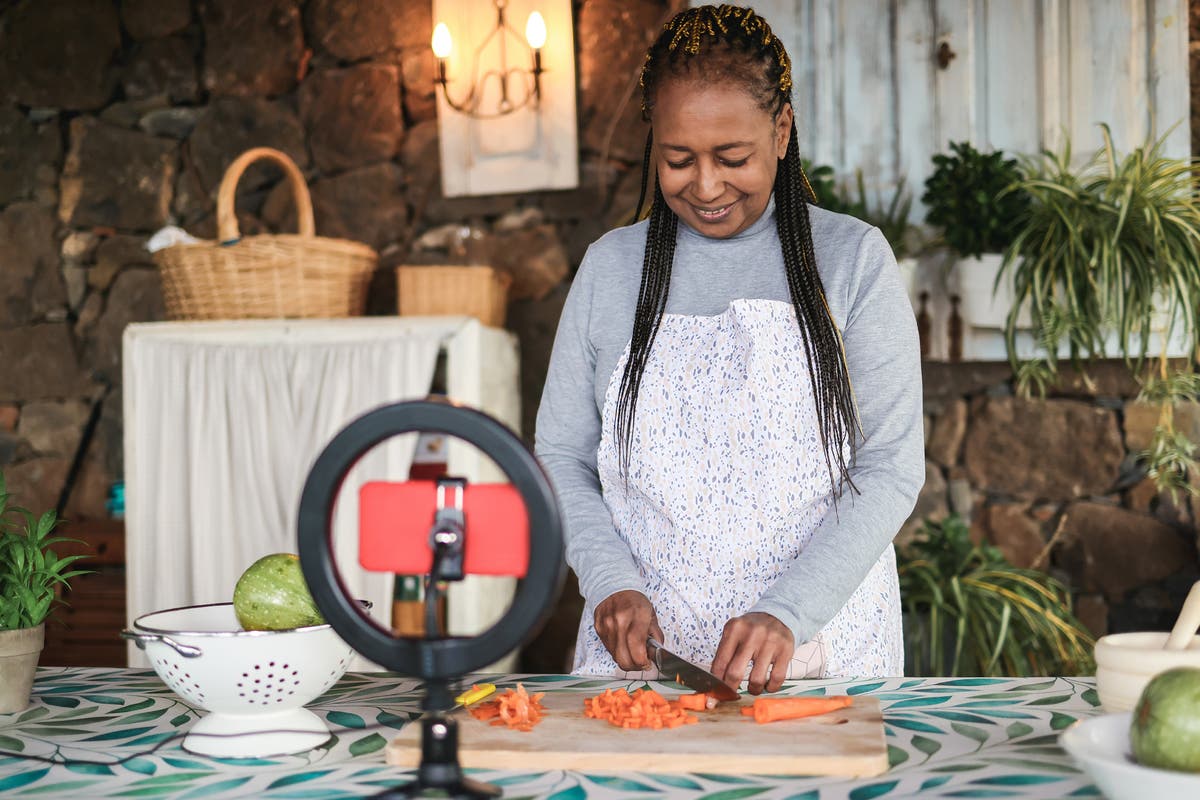
Video Production Is Another Role
Reels have made basic video skills extremely valuable.
A creator may need to understand:
- Lighting
- Framing
- Camera position
- Background
- Audio
- Captions
- Editing
- Timing
- Transitions
- Video hooks
The good news is that professional equipment is not always necessary.
A smartphone, decent lighting, clean audio, and a clear idea can be enough to create useful content.
The bigger challenge is knowing what to show.
For example, a baker could record the entire baking process.
But showing everything from beginning to end may become boring.
A smarter Reel might show:
Flour → mixing → shaping → oven → finished product
in a short sequence.
The creator is not just recording.
They are editing the viewer’s attention.
Creators Are Also Community Managers
Posting content is only half the job.
Once people start responding, someone has to manage those conversations.
Creators may spend time:
- Replying to comments
- Answering questions
- Responding to messages
- Acknowledging loyal followers
- Handling criticism
- Removing spam
- Asking follow-up questions
- Collecting audience feedback
This is where the creator becomes the face of the community.
Imagine a travel creator receives a comment:
“I am visiting Jaipur next month. Is three days enough?”
A simple answer can help.
But a thoughtful response might mention where to stay, what to see, and what to avoid during busy hours.
That one reply can turn a casual follower into someone who sees the account as useful.
Analytics Turn the Creator Into an Analyst
After publishing, the work is not finished.
Creators need to understand what happened.
Useful metrics include:
- Reach
- Views
- Likes
- Comments
- Saves
- Shares
- Profile visits
- Follows
- Watch time where available
Suppose a creator posts two Reels.
Reel A: 50,000 views, 80 new followers
Reel B: 18,000 views, 150 new followers
The first Reel got more attention.
The second Reel may have been better at converting attention into account growth.
This is why looking only at views can lead creators down the wrong path.
A good creator asks:
What did this content actually achieve?
Trend Spotting Is Part of the Job
Instagram changes quickly.
Formats become popular.
Audio trends appear and disappear.
Audience interests move.
New editing styles emerge.
Creators therefore need to pay attention without blindly copying every trend.
A trend is useful only when it makes sense for the account.
For example, a financial education creator may not need to jump onto every dance trend.
But they might adapt a popular short video format to explain a financial concept.
The trend becomes a delivery method rather than the entire content strategy.
Creators Are Becoming Business People
The creator economy is no longer just about posting for fun.
The scale is significant.
A 2026 report from the Indian School of Business and Hashfame estimated that India’s creator base grew from approximately 0.96 million in 2020 to 4.12 million in 2025. The report also found that 66% of creators were based in non metro markets by 2025.
That growth means more creators are treating their work like a business.
They may need to handle:
- Brand negotiations
- Pricing
- Contracts
- Invoices
- Campaign deadlines
- Deliverables
- Affiliate partnerships
- Digital products
- Memberships
A creator with strong content but poor business organization can still struggle.
Brand Collaboration Requires Another Skill Set
When brands enter the picture, creators need to understand what they are actually delivering.
A campaign may require:
- One Reel
- Three Stories
- Product photography
- A review
- Specific talking points
- Content approval
- Posting at a particular time
The creator needs to balance the brand’s requirements with the audience’s expectations.
If the content feels like a forced advertisement, followers may ignore it.
The smarter approach is to make the sponsored content fit naturally with the creator’s normal style.
Personal Branding Matters Too
People often follow creators because of the person behind the content.
Two creators can discuss exactly the same topic but build completely different audiences.
Why?
Personality.
One might be funny.
Another might be highly practical.
Another might explain complicated subjects in simple language.
Another might focus heavily on storytelling.
A creator should gradually develop a recognizable voice.
That does not mean repeating the same sentence in every caption.
It means having a consistent way of communicating.
The Creator Also Needs To Be Adaptable
Instagram content creation is not a fixed job.
What works today may not work six months later.
That does not mean abandoning everything whenever numbers fall.
Instead, creators should test small changes.
Try changing:
- The first three seconds of a Reel
- Caption length
- Thumbnail style
- Posting format
- Content topic
- Story frequency
- Calls to action
Then watch what happens.
This is much smarter than making five major changes at the same time.
A Practical Weekly Workflow
Someone trying to take content creation seriously can use a simple weekly system.
Monday: Research ideas and review analytics.
Tuesday: Write scripts and captions.
Wednesday: Record several pieces of content.
Thursday: Edit and schedule.
Friday: Publish and interact with the audience.
Weekend: Review performance and collect new ideas.
The exact schedule does not matter.
The important part is separating creation, publishing, community work, and analysis instead of trying to do everything at the last minute.
Do Not Confuse Followers With Influence
A creator can have a large follower count and still struggle to get meaningful interaction.
At the same time, a smaller creator can have an audience that regularly watches, comments, saves, shares, and buys from recommendations.
The creator’s real asset is not simply the number under the profile picture.
It is the relationship with the audience.
That relationship comes from consistency, useful content, honesty, and understanding what people actually want.
The Human Side Still Matters
With so many tools available, creators can automate parts of their workflow.
They can use editing apps, scheduling tools, analytics platforms, templates, and AI assistance.
But tools cannot completely replace judgment.
Someone still needs to ask:
“Does this actually help my audience?”
“Does this sound like me?”
“Would I watch this if I were scrolling?”
“Is this information worth sharing?”
Those questions are often more valuable than another complicated growth trick.
The Bigger Picture
An Instagram content creator is not simply someone who posts pictures.
The role can include strategist, writer, researcher, filmmaker, editor, community manager, analyst, marketer, salesperson, and business owner.
That sounds like a lot because it is.
But creators do not have to master everything overnight.
Start with good ideas.
Learn to communicate clearly.
Pay attention to audience behavior.
Improve one skill at a time.
Most importantly, understand that Instagram growth is not only about getting people to your profile. It is about giving those people a reason to care once they arrive.
That is where good content earns its value.